English
 Español
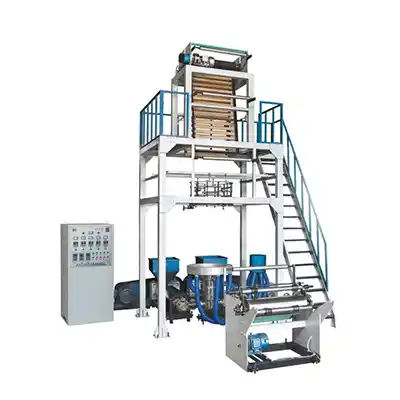
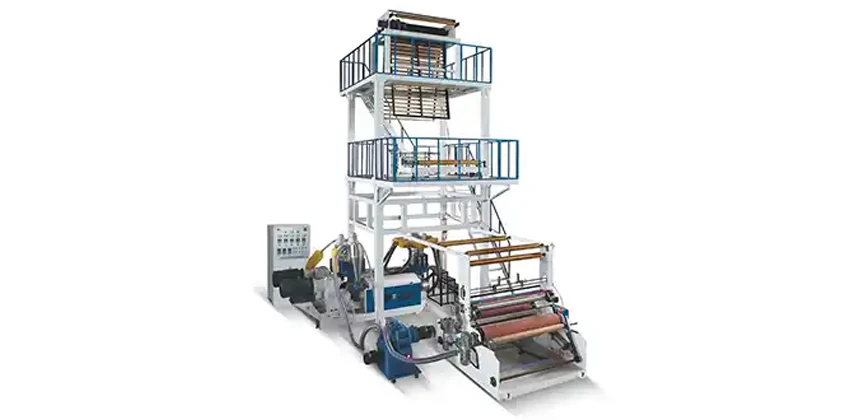
In today's competitive packaging landscape, manufacturers are constantly seeking ways to balance raw material cost reduction, sustainability compliance, and production efficiency. After 15 years in the plastic extrusion industry, I've seen countless facilities struggle with outdated equipment that either wastes expensive virgin resin or produces low-quality film that fails downstream processes. The Double Layer High Speed Film Blowing Machine has emerged as a game-changing solution that addresses all three challenges simultaneously, particularly for mid-sized packaging converters looking to upgrade their lines without breaking the bank.
The Dual Pressures Facing Modern Packaging Manufacturers
The global packaging market is projected to reach $1.22 trillion in 2026, growing at a CAGR of 3.42% according to Mordor Intelligence. However, this growth comes with significant headwinds. First, raw material price volatility has become a constant threat to profit margins. Polyethylene resin prices have fluctuated by as much as 25% in the past two years alone, making long-term budgeting nearly impossible for many converters.
Second, sustainability regulations are tightening worldwide. The European Union's Packaging Waste Directive mandates that 55% of plastic packaging waste be recycled by 2030, and major brands are setting aggressive targets for post-consumer recycled (PCR) content in their packaging. Global recycled plastic packaging market is expected to grow at an 11% CAGR through 2034, creating both opportunities and challenges for manufacturers.
Third, e-commerce growth is driving demand for stronger, more durable packaging films. The rise of direct-to-consumer shipping means films must withstand rough handling, temperature fluctuations, and multiple handling points without tearing or puncturing. This has increased the demand for films with superior mechanical properties and puncture resistance.
Why Traditional Single-Layer Blown Film Lines Fall Short
For decades, single-layer film blowing machines were the industry standard. They're simple to operate and relatively inexpensive to purchase. However, they have fundamental limitations that make them unsuitable for today's market demands.
The biggest problem with single-layer machines is their inability to optimize material usage. If you need a film with good surface properties for printing and heat sealing, you have to use 100% virgin resin throughout the entire thickness. This is extremely wasteful, as only the outer 20-30% of the film actually contributes to these surface properties. The remaining 70-80% could easily be replaced with less expensive materials without affecting performance.
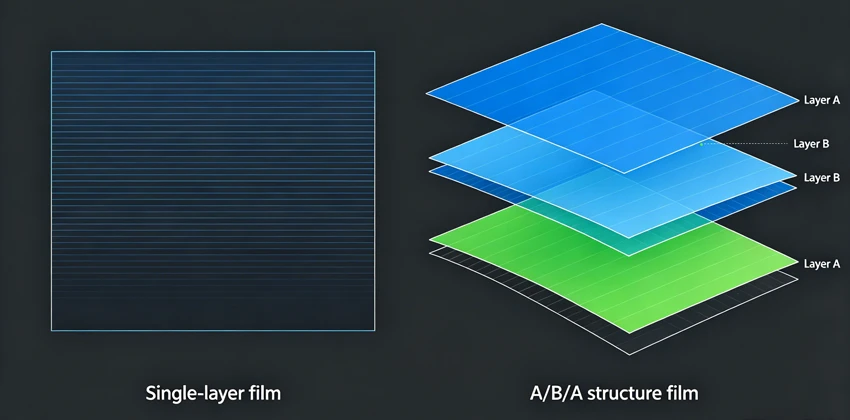
Single-layer machines also struggle with film flatness and dimensional stability. The uneven cooling and molecular orientation in single-layer films often result in warping and misalignment during high-speed bag making processes. This leads to increased waste, slower production speeds, and higher labor costs as operators constantly adjust the equipment to compensate for these issues.
Additionally, traditional single-layer machines have limited output capabilities. Most standard models max out at around 60-80 kg/h, which is insufficient for meeting the growing demand from e-commerce and food packaging sectors.
The A/B/A Structure Breakthrough: Cost Savings Without Compromise
The A/B/A co-extrusion structure solves all these problems by separating the film into three distinct layers, each with a specific purpose. Two extruders work in tandem: one processes the surface layers (A layers) using high-quality virgin PE material, while the other handles the core layer (B layer) which can incorporate up to 40-50% calcium carbonate filler or recycled material.
This innovative design offers three key advantages:
First, significant cost reduction. By replacing 40-50% of expensive virgin resin with cheaper fillers or recycled materials, manufacturers can reduce their raw material costs by up to 30%. For a mid-sized plant producing 10 tons of film per month, this translates to savings of $15,000-$20,000 per month – a difference that can make or break profitability in today's competitive market.
Second, superior mechanical properties. The three-layer composite structure creates a film that is significantly stronger than single-layer films of the same thickness. Independent testing has shown that A/B/A films have 30-40% better puncture resistance, impact resistance, and tear strength in both machine and transverse directions. This means you can produce thinner films that still meet performance requirements, further reducing material usage and costs.
Third, excellent lay-flat characteristics. The symmetrical A/B/A structure naturally balances internal molecular orientation stresses, resulting in a perfectly flat film that runs smoothly through high-speed bag making machines. This reduces waste from misaligned cuts and jams, and allows you to run your downstream equipment at maximum speed.
Real-World Performance: A Case Study from a Mid-Sized Converter
I recently worked with a packaging manufacturer in Southeast Asia that was struggling with rising material costs and inconsistent film quality. They were running three old single-layer machines, producing garbage bags and courier bags for local e-commerce companies.
Their main problems were:
- High virgin resin costs eating into profits
- 12-15% waste rate due to film warping and misalignment
- Inability to meet customer demands for higher recycled content
- Limited production capacity
After installing one YongBang A/B/A film blowing machine, they saw immediate improvements:
- Raw material costs reduced by 27% by using 45% calcium carbonate in the core layer
- Waste rate dropped to 4% due to improved film flatness
- Production output increased from 70 kg/h to 110 kg/h
- They were able to offer customers films with 40% recycled content, opening up new business opportunities
Within 8 months, the machine had paid for itself through cost savings and increased production. They have since ordered two more machines to replace their remaining single-layer lines.
Choosing the Right Equipment for Your Specific Needs
When evaluating film blowing machines for your packaging operation, there are several key factors to consider beyond just the initial purchase price.
First, look for machines with independent layer control. This allows you to adjust the thickness ratio between the A and B layers to optimize for different applications. For example, you might use a 15/70/15 ratio for garbage bags where cost is the primary concern, and a 25/50/25 ratio for food packaging films where surface quality is more important.
Second, pay attention to the screw design. A well-designed screw is critical for proper plasticization and dispersion of fillers and recycled materials. YongBang's specialized 30:1 L/D screws are specifically engineered to handle high filler loadings without sacrificing film quality.
Third, consider the cooling system. Efficient cooling is essential for high-speed production and consistent film quality. Look for machines with double-vent air rings and optional IBC (Internal Bubble Cooling) systems, which can increase output by 20-30% compared to standard cooling systems.
You can explore different model options and customization possibilities here: https://www.yongbangmachine.com/ab-blown-film-machine/ab-double-layer-high-speed-film-blowing-machine
Conclusion
As the packaging industry continues to evolve, manufacturers need equipment that can adapt to changing market conditions while maintaining profitability. The Double Layer High Speed Film Blowing Machine represents the perfect balance of cost efficiency, performance, and sustainability.
Unlike traditional single-layer machines that force you to choose between quality and cost, the A/B/A co-extrusion structure allows you to have both. By using virgin resin only where it's needed and filling the core with less expensive materials, you can significantly reduce your production costs while actually improving the quality of your film.
When combined with advanced features like PLC automatic control, precision spiral die heads, and efficient cooling systems, these machines offer a compelling return on investment for any packaging converter looking to upgrade their production capabilities.
If you're currently struggling with high material costs, inconsistent film quality, or limited production capacity, I strongly recommend considering this technology. It's not just a piece of equipment – it's a strategic investment that will position your business for success in the years to come.
 Brochure Download
 FAQ
FAQ