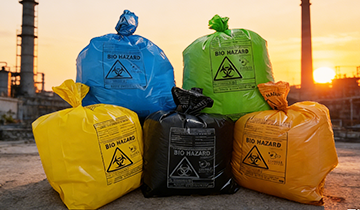
How does YONGBANG's servo motor system ensure registration accuracy in high-speed bag making?
Our 3-servo-motor drive system (for feeding, sealing, and cutting) operates with absolute position synchronization via a centralized PLC. Unlike traditional clutch systems, this eliminates cumulative error. The photoelectric eye reads the mark in real-time, and the servo adjusts instantaneously, guaranteeing print-to-cut registration accuracy within ±0.5mm even at speeds over 250 cycles/min, crucial for premium brand packaging.
What is the realistic, sustained production speed of your 450X2 carry bag machine per shift?
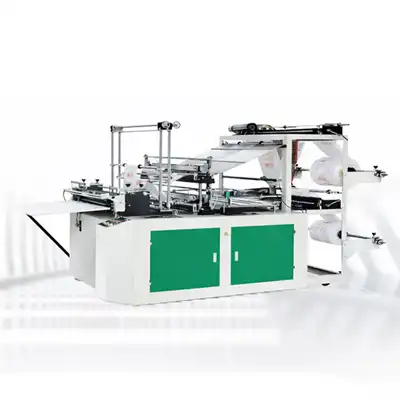
Our YB-450X2 model is rated for 280-300 bags/minute per lane (560-600 total) under optimal conditions using standard HDPE. Sustained 8-hour shift output, factoring in minor adjustments, typically achieves 250,000+ bags. We provide video documentation of continuous runs to verify this throughput, giving you reliable data for production planning.
How long does it take to change over from producing T-shirt bags to flat-bottom shopping bags on your machine?
With our modular quick-change system, major format switches can be completed in 2-3 hours by a trained technician. Key components like sealing jaws and folding assemblies use standardized interfaces. This minimizes downtime and allows you to flexibly respond to diverse market orders, maximizing asset utilization.
Can your bag making machines reliably handle compostable and PBAT-based films without sealing issues?
Yes, we have specialized configurations for bioplastics. Compostable films often have different melting and tack properties. We address this with precise PID temperature control (±1°C) and adjustable sealing pressure & dwell time profiles. Our material database includes tested parameters for PBAT/PLA blends, ensuring strong, consistent seals and trouble-free cutting.
What is the ROI period for automating with your double-layer bag machine compared to two single-line machines?
While the initial investment is higher, a double-layer machine saves over 35% in floor space and 40% in operational labor (one operator vs. two). Typically, the ROI is achieved within 12-18 months through higher net output, lower labor costs, and reduced energy consumption per bag. We provide a customized ROI calculator based on your local wage and utility rates.
What level of automation do you offer to achieve “lights-out” production in the bag making process?
We offer a fully automated pipeline from auto-unwinding with tension control, automatic defect marking/rejection, robotic stack counting, to auto-palletizing. This system can reduce direct labor to primarily monitoring and material loading, enabling overnight or weekend unattended operation for massive, consistent output.
What is the maintenance interval and cost for key wear parts like the heat sealing knife?
Our sealing knives are made from special alloy steel with chrome plating, offering 3-5 times the lifespan of standard parts. Under normal 24/5 operation, major maintenance is typically scheduled only once a year. We offer transparent pricing for our 500+ standardized spare parts kit, helping you predict and minimize long-term maintenance costs.
Can you integrate a printing unit and a zipper applicator inline with the bag making process?
Absolutely. We specialize in integrated turnkey solutions. We can seamlessly integrate flexographic printing units (up to 6 colors) and automatic zipper/handle applicators inline. This “one-pass” system eliminates secondary processing, reduces handling, and ensures perfect registration, creating higher-value bags directly from the film roll.
How do you support machine installation and operator training in our country if we have no prior experience?
We provide end-to-end project support: 1) Pre-delivery video conference for foundation planning. 2) On-site installation & commissioning by our engineers (included). 3) Comprehensive hands-on training for your operators and technicians. 4) Remote assistance platform for ongoing support. We ensure you are production-ready, not just machine-delivered.
Can you share a case study where your machine helped a client significantly reduce waste or material usage?
For a European client, we optimized the bag design and cutting pattern on our machine, reducing film edge trim waste by 8%. Combined with precise tension control that minimized stretch, they achieved a 5.5% reduction in overall material consumption, yielding annual six-figure cost savings. We can provide anonymized case data sheets detailing the approach and results.
What types of bags can your bag making machines produce?
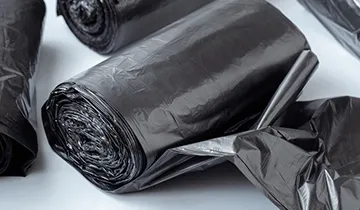
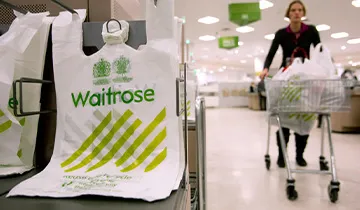
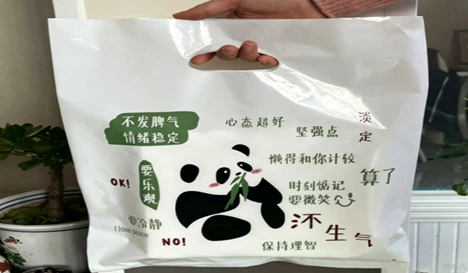
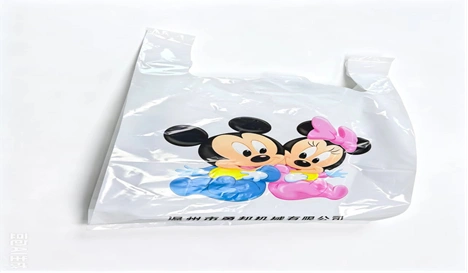
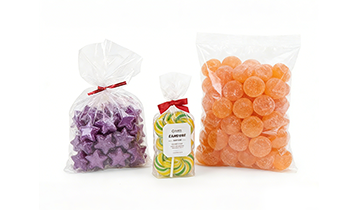
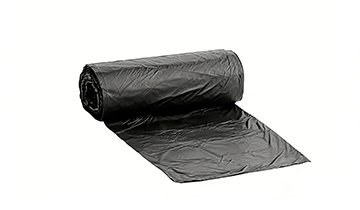
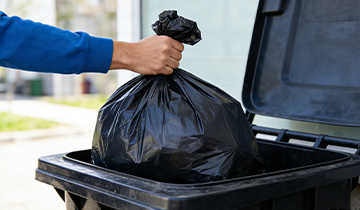
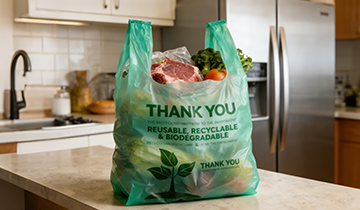
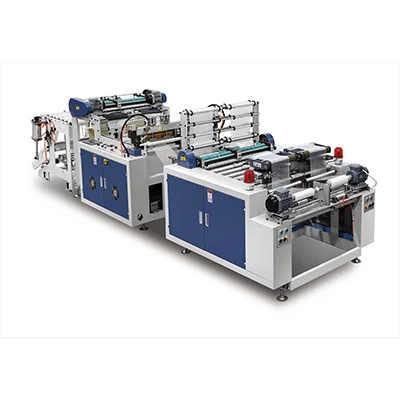
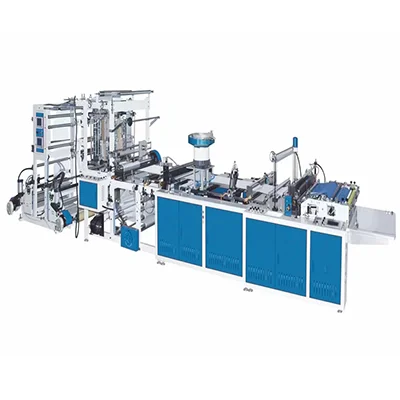
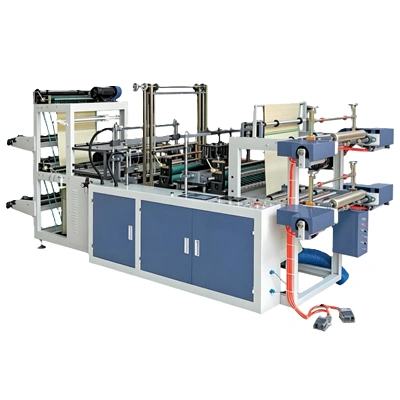
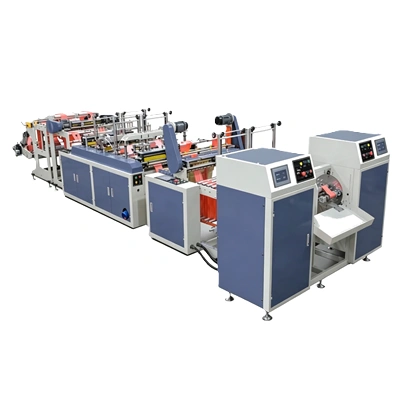
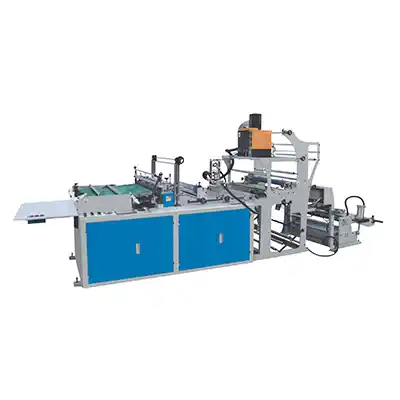
Our machines can produce various bag types including T-shirt bags, flat-bottom bags, side seal bags, bottom seal bags, and garbage bags, suitable for shopping, food packaging, and industrial applications.
What materials are compatible with your bag making machines?
Our machines handle LDPE, HDPE, LLDPE, and biodegradable materials like PBAT, offering flexibility for both conventional and eco-friendly bag production.
What after-sales support do you provide?
We offer 24/7 technical support, readily available spare parts, and regular maintenance services to minimize downtime and ensure long-term machine reliability.

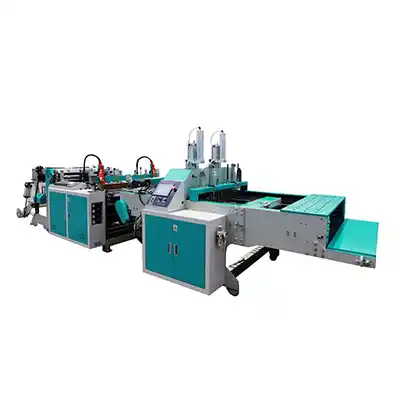
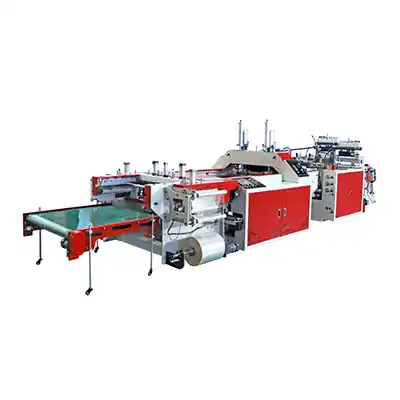
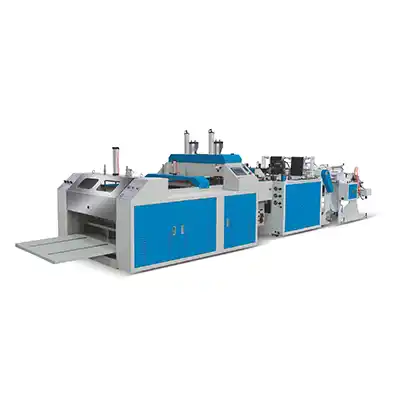

-2.webp)
.webp)
 EN
EN Español